How to Combine a Serengeti Safari With a Zanzibar Beach Holiday
For many travelers, the idea of a safari in East Africa and a tropical beach holiday feel like two completely separate trips. One involves dusty game drives, early mornings, and vast open plains. The other means turquoise water, white sand, and doing very little at all. The good news is that you do not have to choose. A well-planned itinerary can blend both experiences into a single journey, and the key is understanding how the logistics work.
Why Combine Wildlife and Beach?
A safari is exhilarating but also physically demanding. Long days in a vehicle, the heat, and the constant scanning for wildlife can leave you ready for a quieter pace. A few days on the coast afterward gives you time to rest, reflect on what you have seen, and enjoy a completely different side of East Africa. Zanzibar, with its historic Stone Town and coral-reef-lined beaches, is the most popular coastal addition to a mainland safari. The island sits just off the coast of Tanzania and is well connected to the national parks by air.
Understanding the Distance
The Serengeti ecosystem covers roughly 15,000 square kilometers in northern Tanzania. Zanzibar is about 50 kilometers off the coast. Driving between them takes the better part of two days, involves a ferry crossing, and eats into your holiday time. That is where flying becomes the practical choice. Instead of losing a full day to road travel, you can take a scheduled or charter flight from Zanzibar to one of the airstrips near the Serengeti. The flight itself takes around 90 minutes, and you spend the rest of the day on safari rather than behind the wheel of a transfer vehicle.
What Is a Zanzibar Fly-In Safari?
A Zanzibar fly-in safari is a travel arrangement where you start your holiday on the island, then fly directly to the Serengeti for a set number of game drives before flying back to Zanzibar. It is an efficient way to experience both environments without backtracking over long distances. The concept is straightforward: you trade a long drive for a short flight, and you gain more time in the places you actually came to see.

The first time you hear about this kind of trip, you might worry that the flying part feels rushed or impersonal. In practice, the flights are small, often using bush planes or light aircraft that land on unpaved strips inside the park. The experience feels less like commercial air travel and more like a charter flight to a remote camp. You land, clear the airstrip, and within minutes you are on a game drive or checking into a lodge. The transition from beach to bush is abrupt but that is part of the appeal.
What to Expect on the Ground
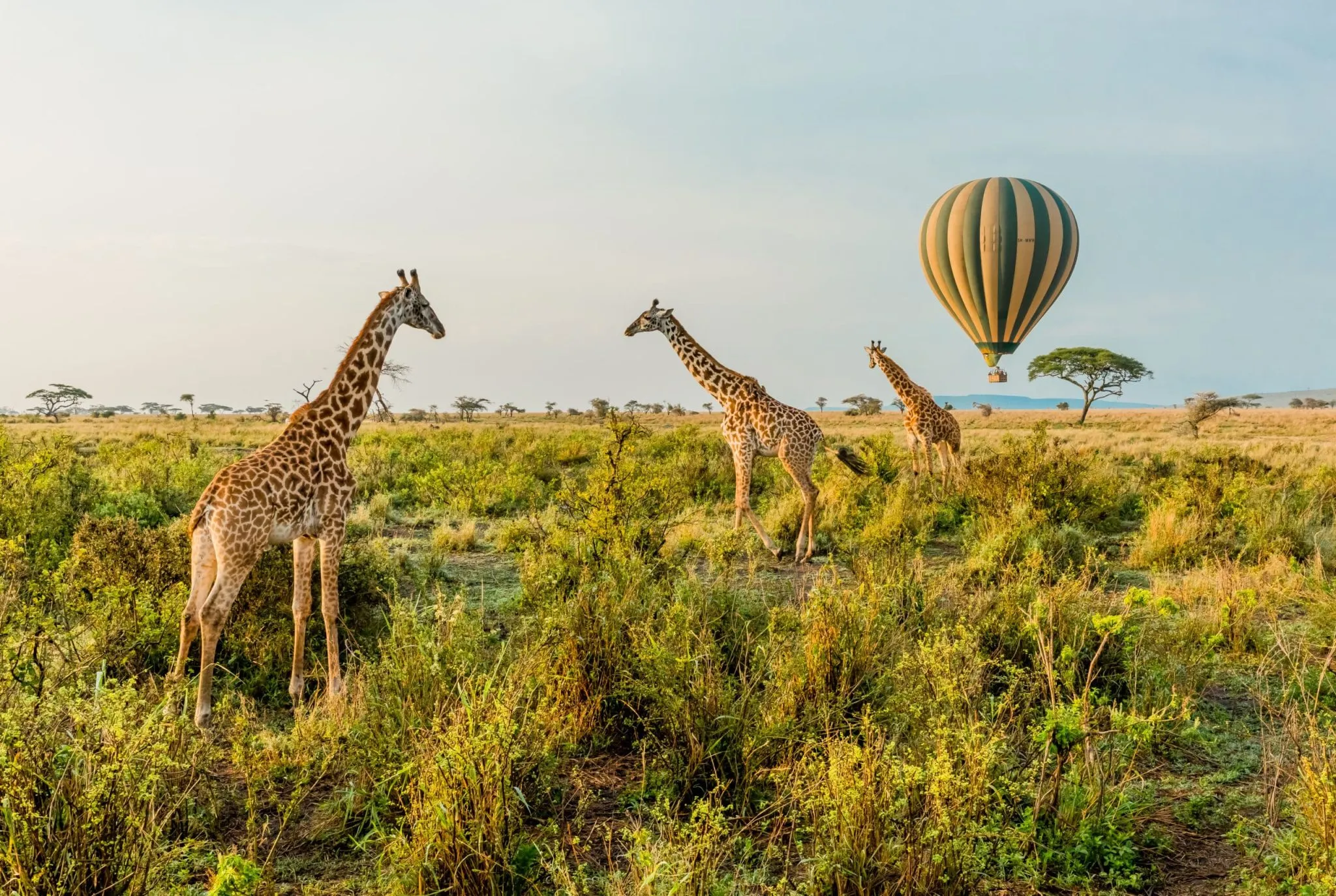
Most fly-in safaris focus on the northern Serengeti, especially during the wildebeest migration season. The herds move in a constant cycle, and the best viewing depends on where they are at any given time. A good operator plans the itinerary around the current migration patterns rather than a fixed route. You might spend two or three days doing morning and afternoon game drives, with a break in the middle of the day when the animals are less active. The lodges in this part of the park range from permanent tented camps to small eco-lodges, all designed to blend into the landscape.
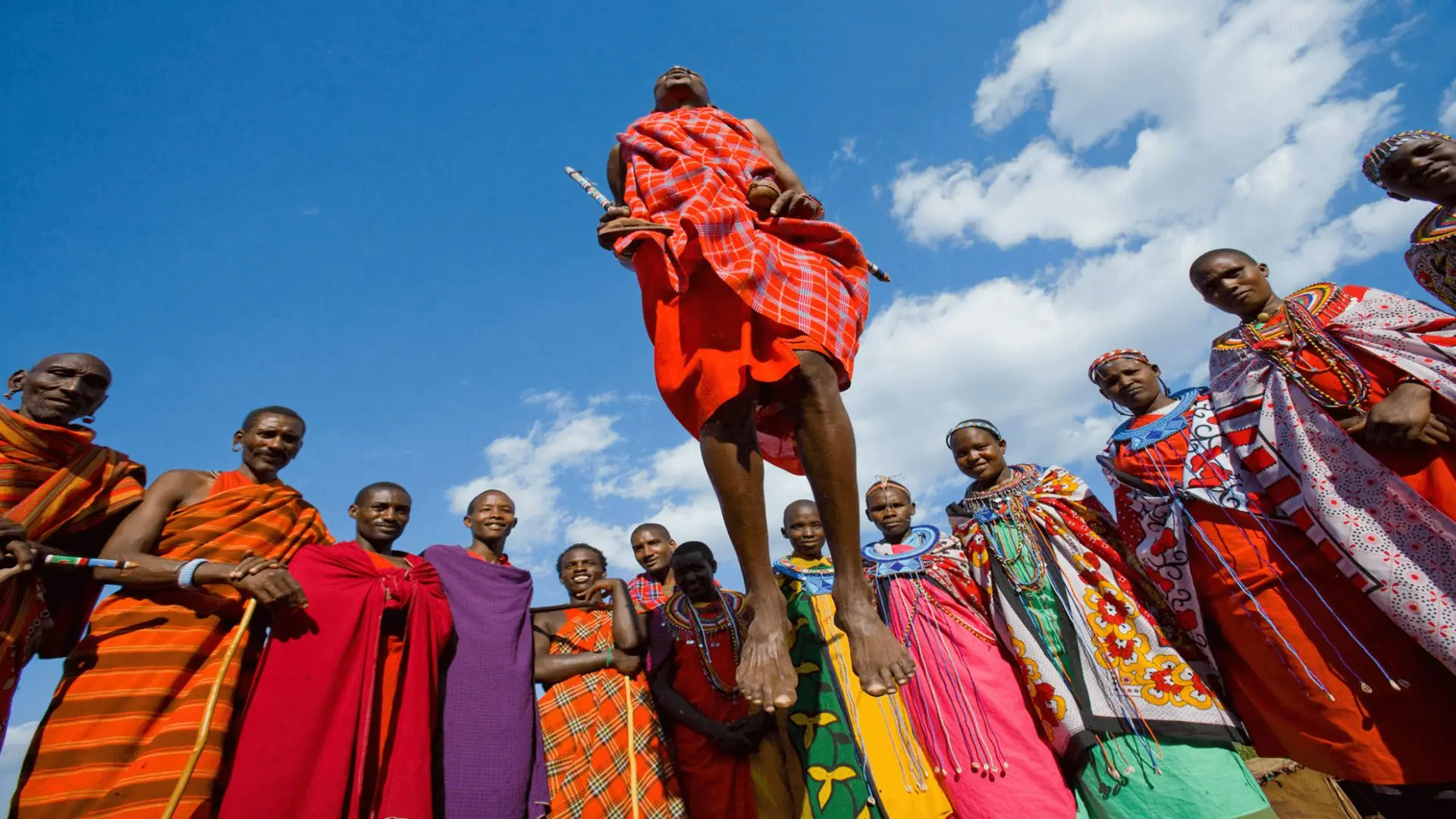
Game drives are the main activity, but they are not the only one. Many camps offer guided walks, sundowner stops, and visits to a Maasai village. The point is to fill your days with wildlife and culture, then return to the lodge for a hot meal and a comfortable bed. You are not roughing it, but you are also not inside a luxury resort. The balance works well for most people.
Adding Other Parks
If you have more than a few days, you can extend the itinerary to include other parks. The Ngorongoro Crater is a common addition. It is a collapsed volcano with a dense concentration of animals, including lion, elephant, and black rhino. The crater floor is open grassland, so you can see a lot in a short time. Lake Manyara and Tarangire National Park are also within reach, though they require more driving time. A typical extended itinerary might include two nights in the Serengeti, one night near the crater, and then a flight back to Zanzibar. The exact shape depends on your interests and how much time you have.
Practical Considerations
The biggest factor in a successful combined trip is timing. The dry season, roughly June to October, is the best time for wildlife viewing in the Serengeti because animals gather around water sources. This also coincides with the peak tourist season on Zanzibar, so you need to book early. The wet season, from November to May, offers greener landscapes and fewer crowds, but some roads and airstrips become harder to access. You also need to think about luggage. A safari requires neutral-colored clothing, a hat, sunscreen, and binoculars. The beach calls for swimwear and flip-flops. Packing for both in a single bag is possible if you choose versatile items and plan to do laundry at the lodge.
Another consideration is the flight itself. Small aircraft have weight limits, and your luggage allowance is usually lower than on a commercial flight. Soft-sided duffels are better than hard suitcases because they are easier to stow. You also need to factor in the transfer between your hotel in Zanzibar and the small airport used for charter flights. The airport is often the one on the main island, but some flights leave from a smaller strip depending on the operator.
Who Is This For?
A Zanzibar fly-in safari suits travelers who want to see the Serengeti but do not have the time or the desire for a long overland journey. It also works well for people who worry that a full safari holiday might be too intense. Splitting the trip between wildlife and beach gives you a natural break. You can go hard on safari, then rest and recharge on the coast. Families with older children often find this combination ideal because it keeps everyone engaged. Couples and solo travelers also enjoy the variety.
That said, this type of trip is not for everyone. If you prefer to travel overland and see the landscape change gradually, a fly-in safari will feel too quick. You miss the drive through the Rift Valley and the transition from farmland to savannah. You also miss the chance to stop at smaller parks or villages along the way. The trade-off is time versus depth. For most people, the time saved is worth the compromise.
Making It Work Financially
Without quoting specific numbers, it is fair to say that a fly-in safari costs more than a drive-in safari because of the charter flight. You are paying for convenience and speed. The overall cost depends on the number of nights, the type of accommodation, and the time of year. A mid-range lodge costs less than a high-end tented camp, and the price difference is noticeable over several nights. You can keep the budget manageable by limiting the safari portion to three or four days and spending the rest of the time on Zanzibar, where accommodation ranges from simple guesthouses to luxury resorts.
Final Thoughts
A combined trip to the Serengeti and Zanzibar is one of the most rewarding ways to experience East Africa. The contrast between the two environments is dramatic, and the logistics, while requiring some planning, are straightforward once you understand the flight options. The key is to work with a local operator who knows the schedules, the airstrips, and the seasonal patterns. They can tailor the itinerary to your preferences, whether that means more time on the beach, a longer safari, or a mix of both.
If you are considering this kind of holiday, start by deciding how many days you want to spend on safari and how many on the coast. Then look into the flight connections from Zanzibar to the Serengeti. The rest falls into place. A well-planned Zanzibar fly-in safari gives you the best of both worlds without the wasted time of a long road transfer. It is a practical, efficient, and deeply satisfying way to see two of Africa's most iconic destinations in one trip.